

House of Dissociation
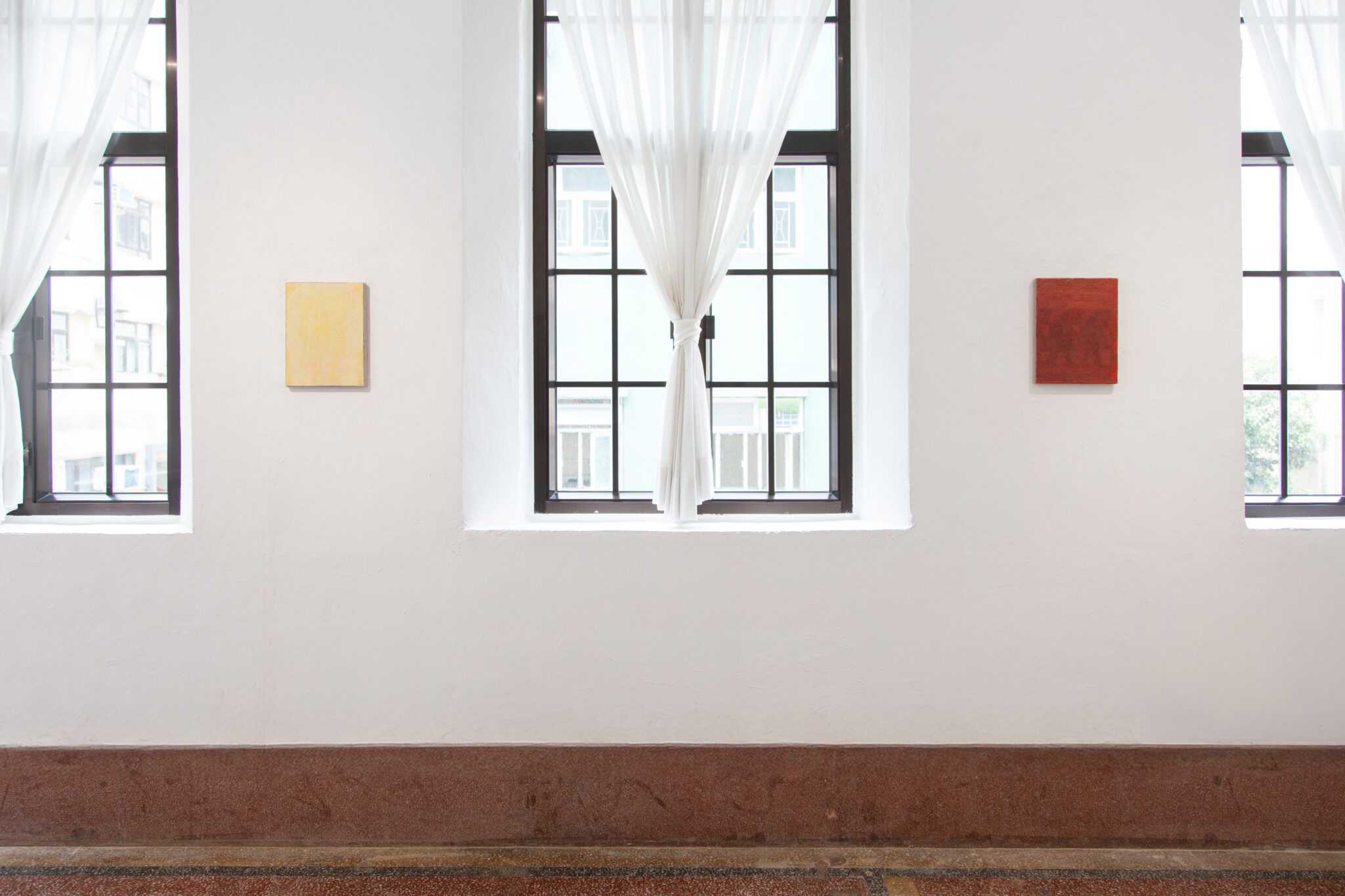
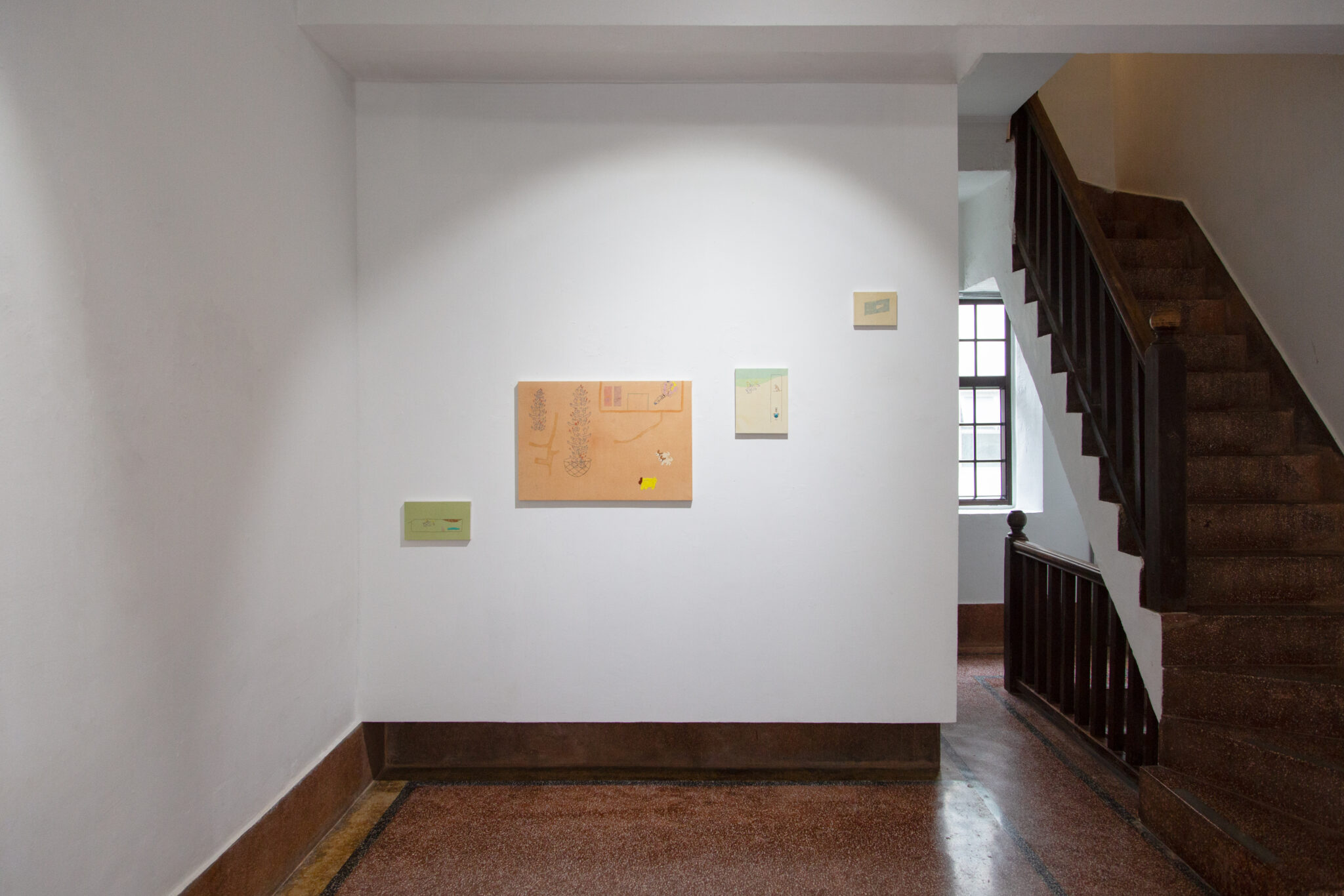
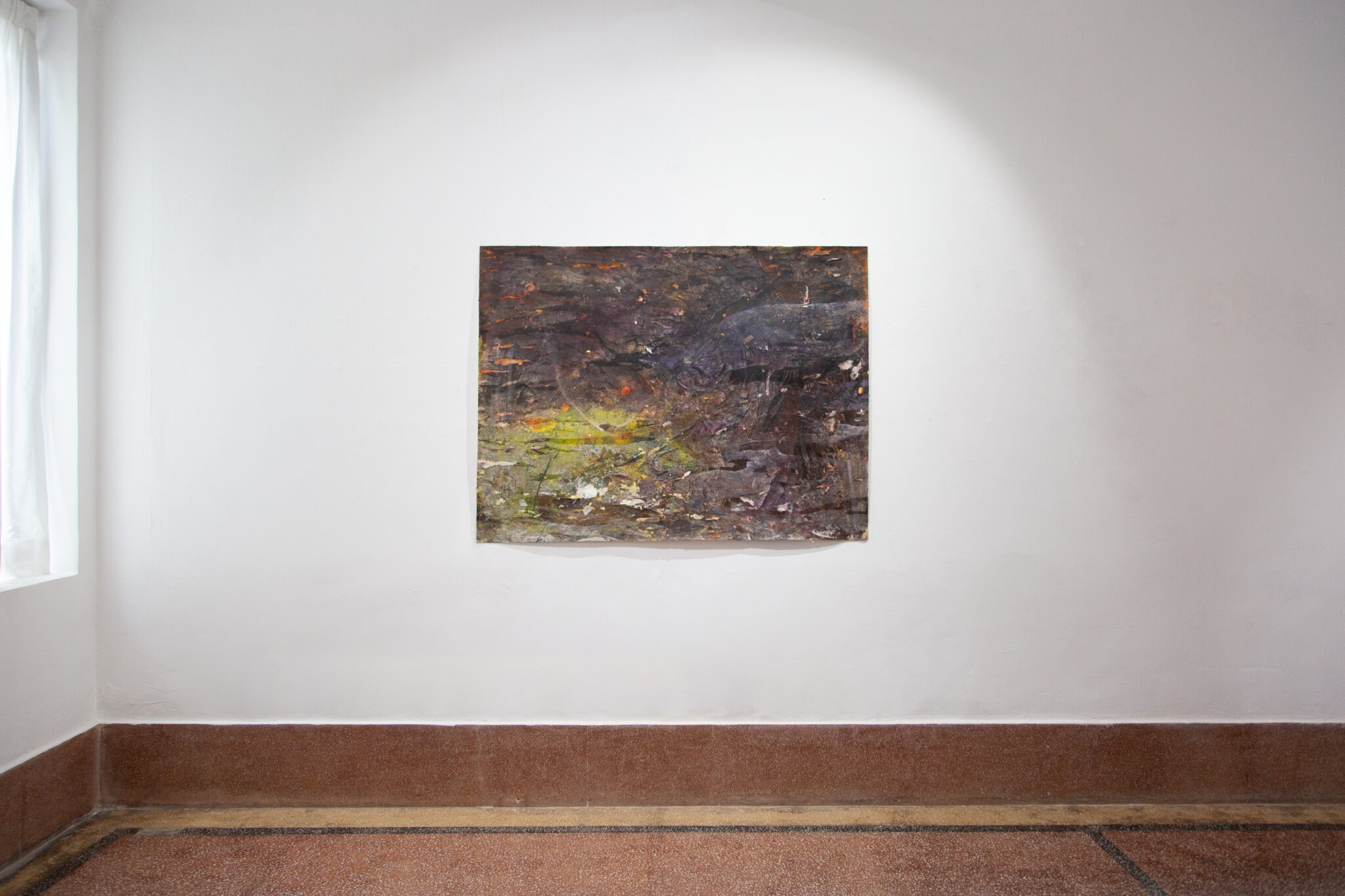
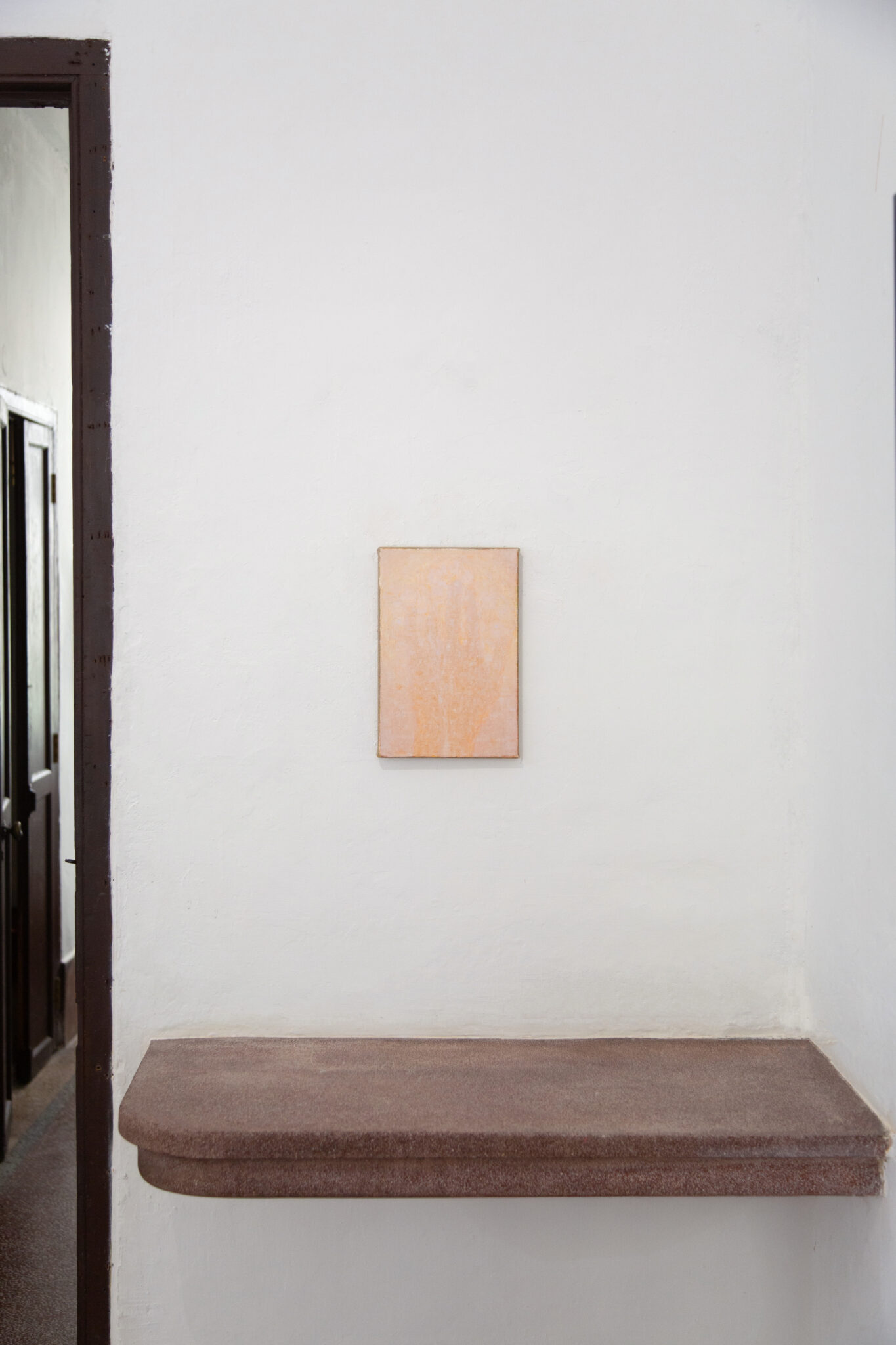
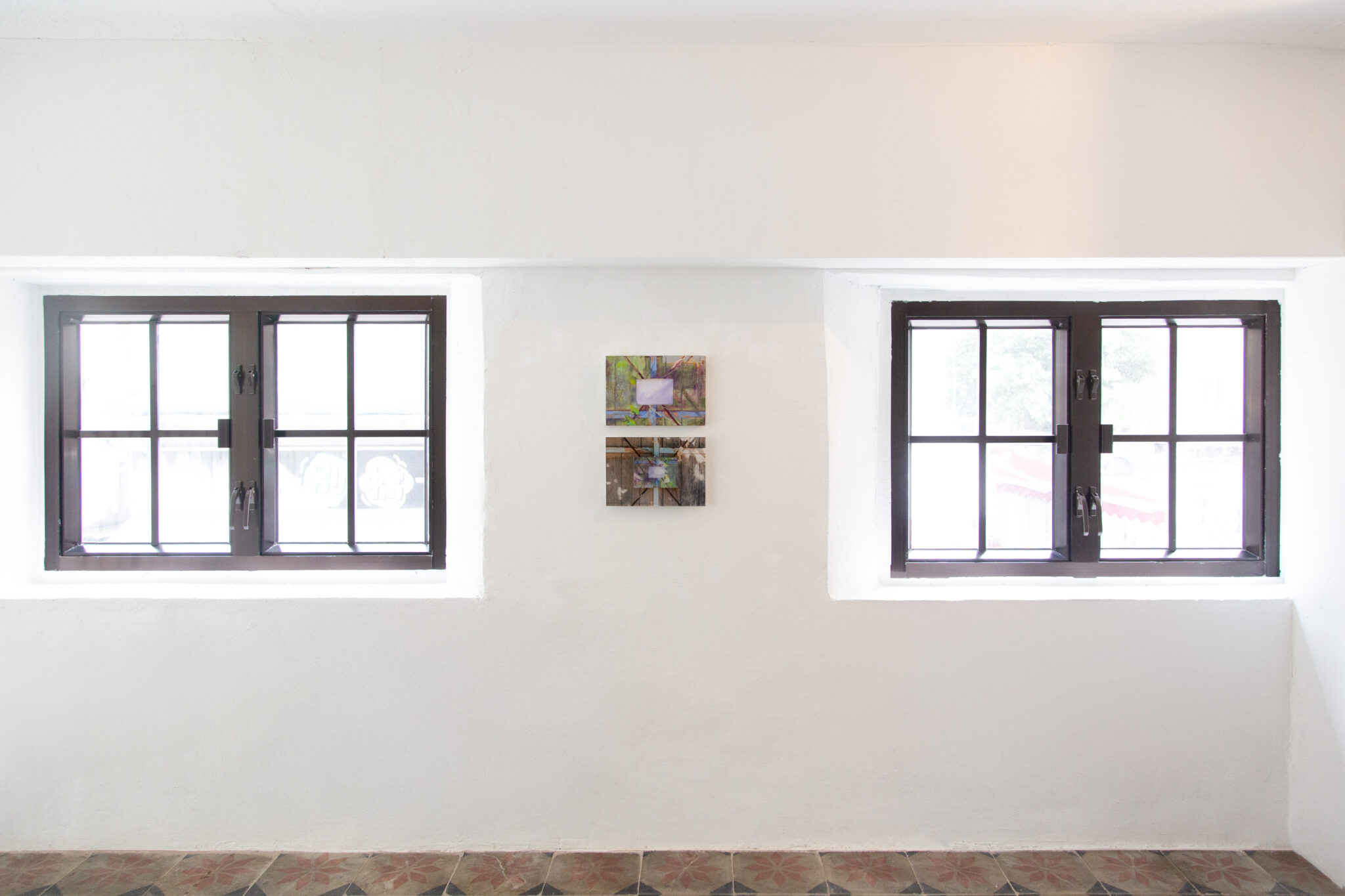


THE SHOPHOUSE is pleased to present the group exhibition House of Dissociation, featuring eleven artists: Alice Cheng Chau Yung, Chris Oh, Shuo Phoebe Li, Lassi Kontiainen, Shi Zheng, Tang Kwong San, Takuya Otsuki, Tao Siqi, Wang Xingyun, Yu Shuk Pui Bobby, and Yutaka Nozawa, featuring a series of paintings on canvas and paper, video, sculpture, and interactive site-specific installation across the entire gallery building. The exhibition opens on March 21 and runs until May 10.
House of Dissociation posits that identity itself is a permeable architecture, where rooms of memory, emotion, and perception drift apart and reassemble in unexpected configurations.The exhibition invites viewers to navigate, inhabit, or immerse themselves in the fractured layers of the self and the world—to find resonance in the echo between what is held together and what falls away. Here, fragmentation is not a flaw, but a generative principle. The familiar—a chair, a voice, a scene—is rendered unfamiliar, not to alienate, but to reveal the latent possibilities within our own perception. In this era of disintegration, we experience dissociation and the collapse of perceptions. Thereafter, the hope of rediscovering meaning lies not in rigid stability, but in the fluid, adaptive rhythm of a consciousness that learns to dwell within its own multiplicity.
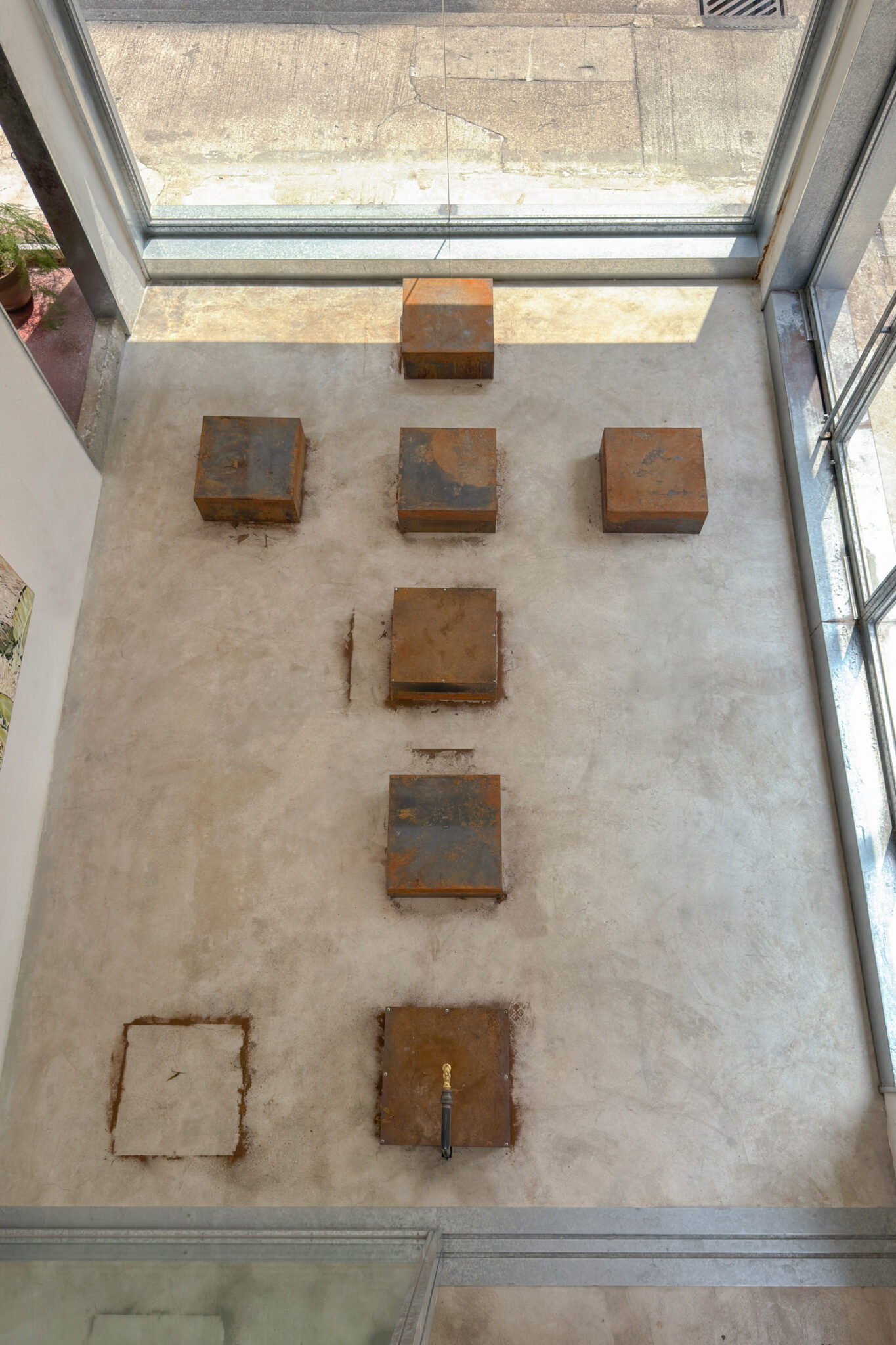
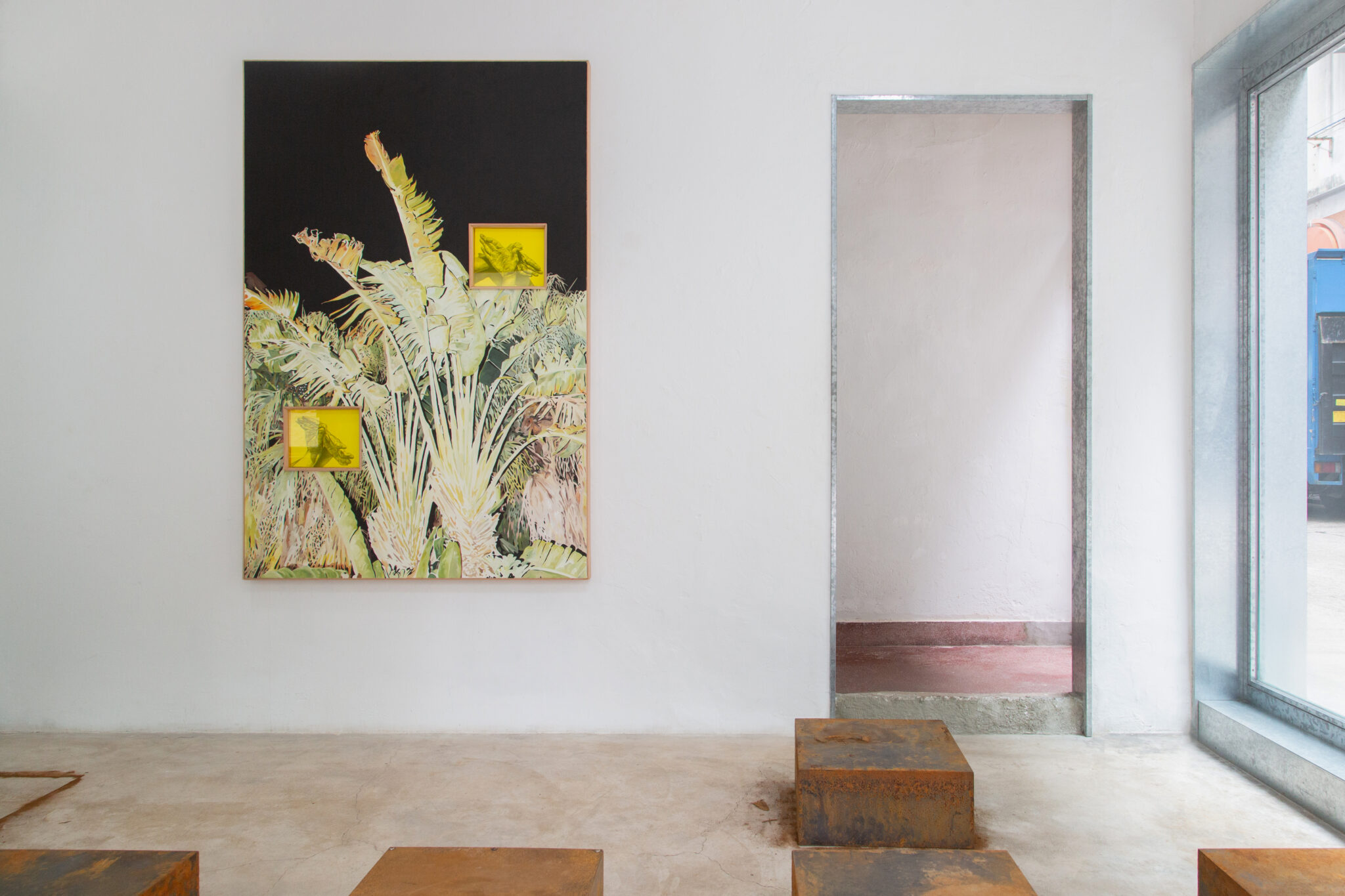
The exhibition is begins its narrative by Hong Kong-based artist Alice Cheng Chau Yung's interactive site-specific installation, Between Things (2026), a relic-like experience that initiates a dialogue on the connections between people, objects, and space. Eight metallic boxes, derived from the artist's earlier work A Thing is a Hole in a Thing it is Not (2025), which was once installed in an air raid shelter at the British Army Club, are now extracted. These metallic boxes have absorbed the humid air of the shelter, traces of human interaction, sunlight, and sound vibrations. In this moment, the boxes breathe naturally within the gallery space like living entities. The work echoes the poetic existence of objects proposed by philosopher Gaston Bachelard in The Poetics of Space: "We poetically construct our houses, which in turn spiritually construct us." Even when objects lose their original surroundings, the traces of their former interactions with space persist and continue to grow; they were once "placed," and now they "reside" autonomously within another space. The artist's recontextualisation of the boxes does not attempt to reassign meaning; rather, it reflects that once human depart, objects and spaces revert to their original resonances—a nameless, unexplainable, and eternal poetic existence.
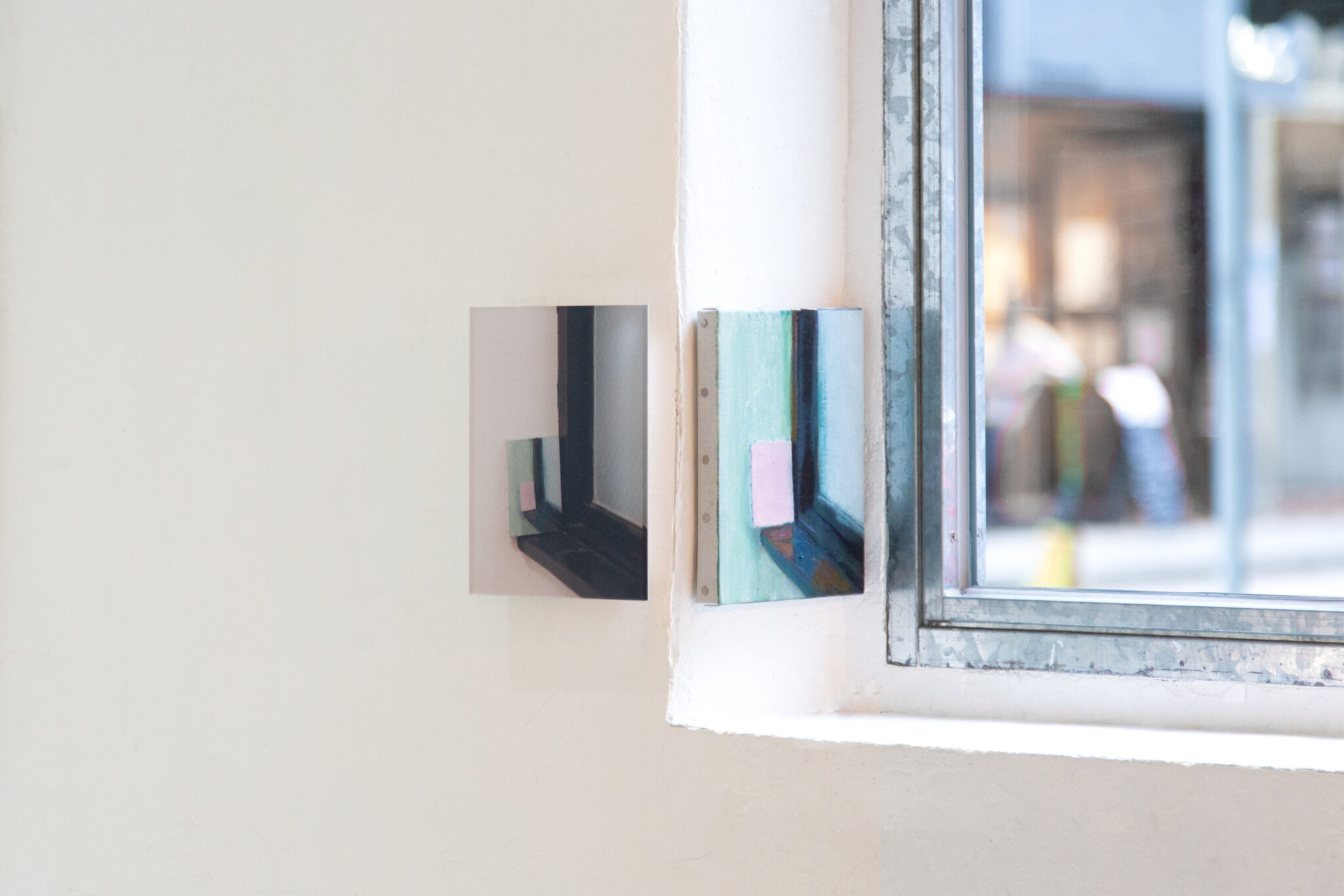
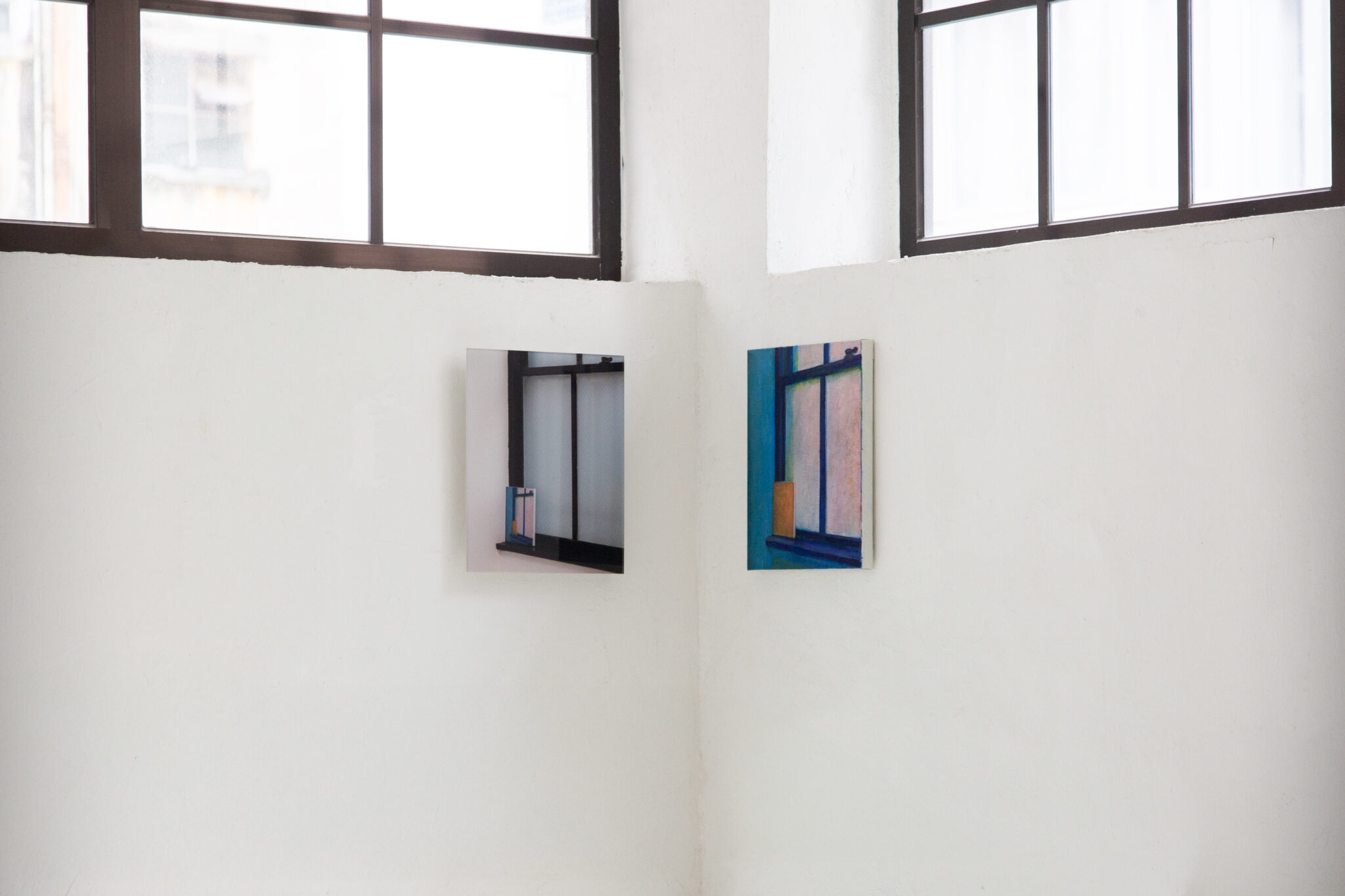
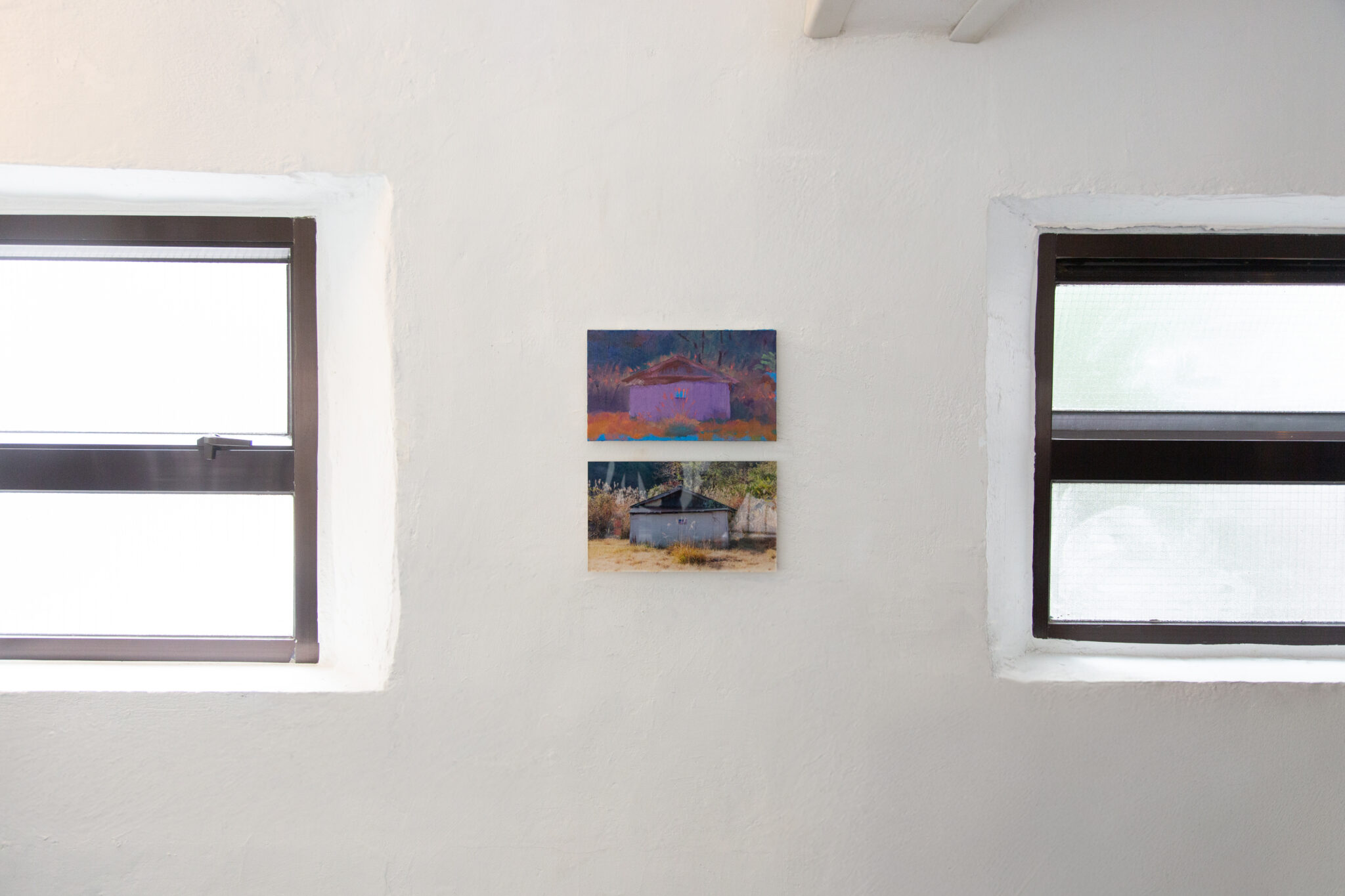
Shizuoka-based artist Yutaka Nozawa's canvas work spans across painting, photography, and video, creating works that subtly alter ordinary scenes from daily life to craft unique and humorous
landscapes. In the CANVAS CANVAS series, the artist treats the canvas itself as the subject, depicting the canvas on the canvas, which is then placed in the same position, becoming an object of photography. This duality of painting and photography creates a layered "still life" imagery. The locations of painting and photography transform into a medium that traverses time and space, compelling viewers to wander back and forth. The familiar oscillates and floats between the virtual and the real, subtly altering the viewer's perception of the quotidian.
Finland based artist Lassi Kontiainen and Kyoto-based artist Takuya Otsuki both employ painting as a medium, showcasing abnormal transformations drawn from experience and memory through their distinctly contemporary painting languages. Lassi layers thin glazes and oil paints, gradually dissolving the original composition throughout the creative process to increase the agency of the painting itself. His visual language seems to emanate an aura from the canvas, allowing viewers to drift into an atmosphere of abstraction intertwined with personal recollections. Takuya Otsuki's work, rooted in traditional Japanese painting techniques, employs mineral pigments and often features subtle, ineffable patterns reminiscent of fleeting glimpses encountered in everyday life, suspended within a flat yet intricately structured painting space. The texture of the painting evokes thoughts of embroidery, like a piercing detail from a dream, evoking significant emotions and details from experience.
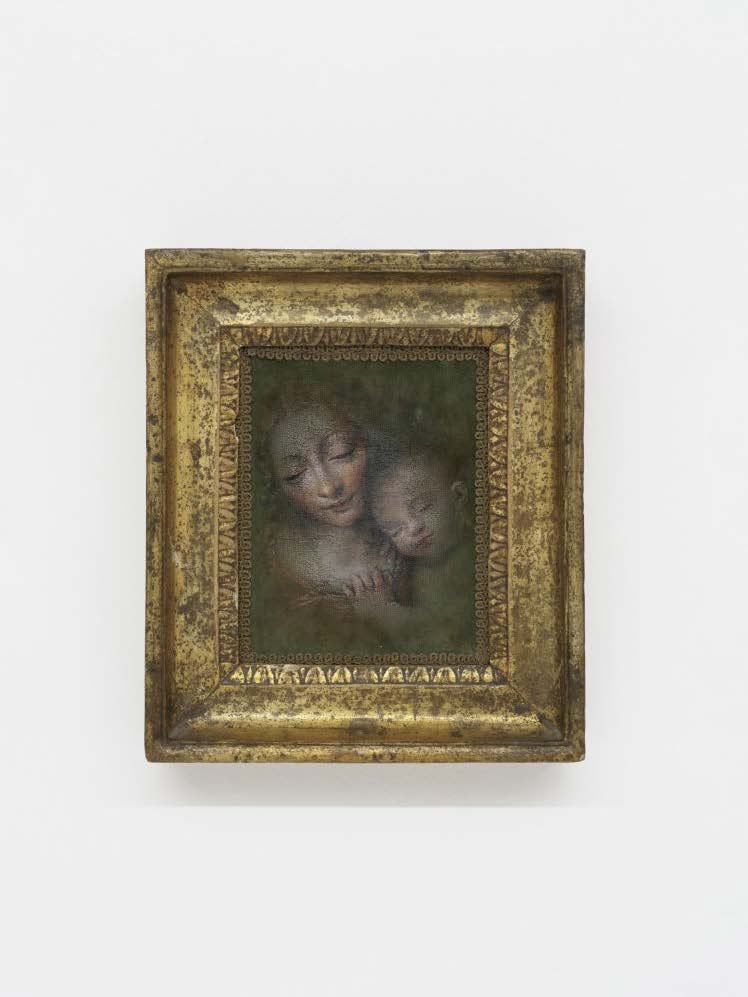
New York and Portland-based artist Chris Oh approaches the cycles of dissociation and reconfiguration from the perspective of the primal relationship between humans and matter. The oil on canvas work, Slumber (2025) is derived from a detail in Bernardino Luini's The Virgin Holding the Sleeping Child, with St. John and Two Angels (circa 1525-1530). At the centre of an antique frame, a deep green velvet cushion reveals the serene faces of a mother and child. Surrounded by a golden frame—symbolic of enlightenment, perfection, and immortality, representing the crystallisation of material transformation completed within the womb of the earth—the sleeping child dreams of the cycle of life, manifesting the potential for nurturing and growth within this intangible realm.
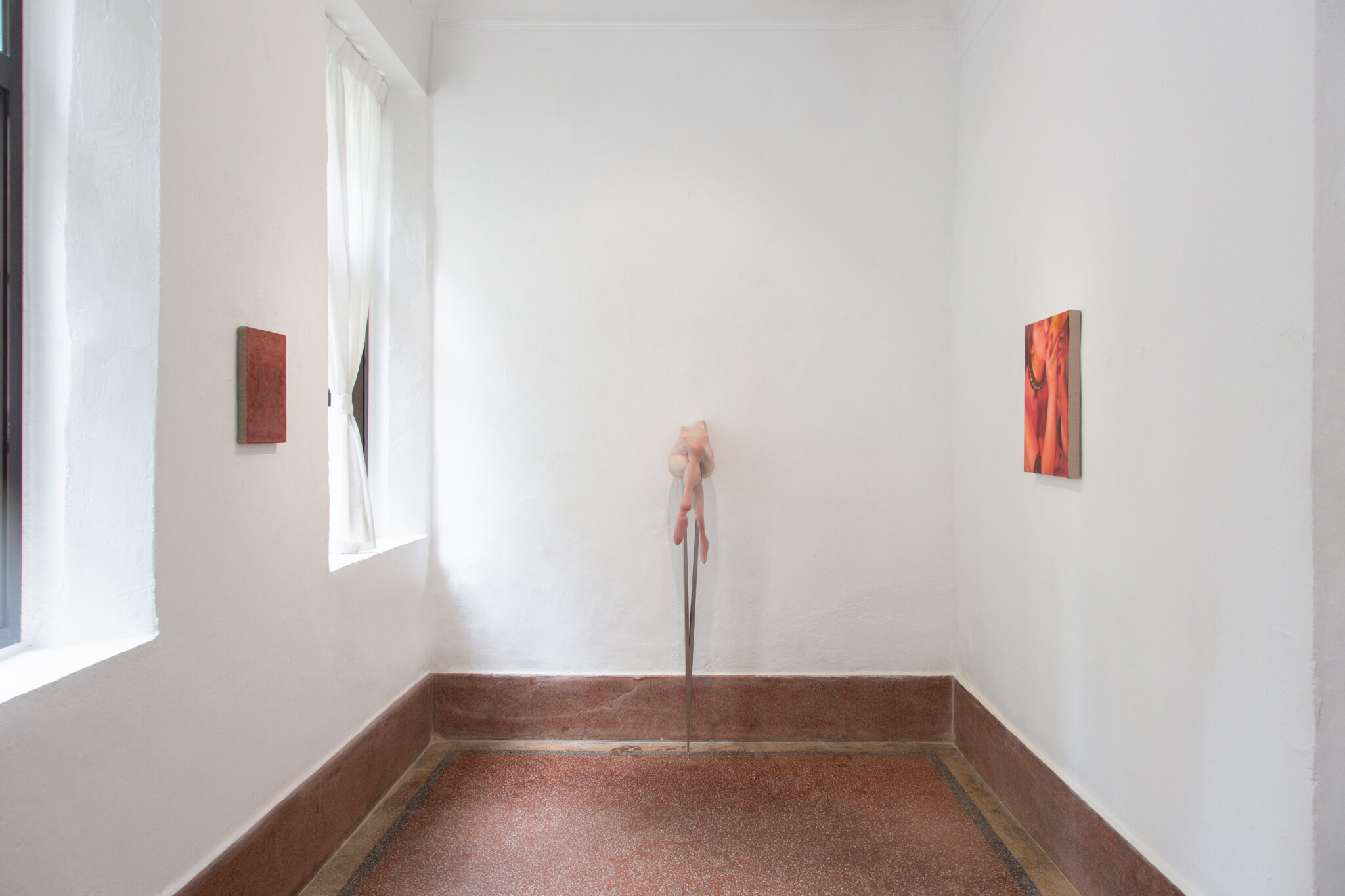
Life transforms from energy to matter, inhabiting a body, where we experience existence within the eternal yet ephemeral moments of breathing. Shanghai-based artist Tao Siqi and Los Angeles and Hong Kong-based artist Shuo Phoebe Li utilise body and flesh as mediums for their creations. Tao's canvas oil paintings explore various desires born from the flesh, utilising bold, intense colours, delicate brushwork, and characteristic close-up perspectives to provoke a provocative viewing experience. The tension oscillates between beauty and destruction, tenderness and violence, temptation and taboo, eliciting nuanced feelings fluctuating between pleasure and pain. Shuo Phoebe Li's sculptural installation, You'll Get Used to It (2025), presents a common action of collective existence—overlapping sitting legs. The work uses the artist's own body as a medium, extending to a collective body, examining the demands this concept places on humanity: to endure pain, maintain silence, and gradually distance oneself from the body under pressure, thus satirising the ambiguous yet alluring term “resilience”. The second-person pronoun in the title dissolves the distance between the viewer and the artwork, speaking directly to the audience: we all bear our prideful endurance, unaware that what we consider comfort has already transformed into endurance, gradually exhausting our minds and bodies.
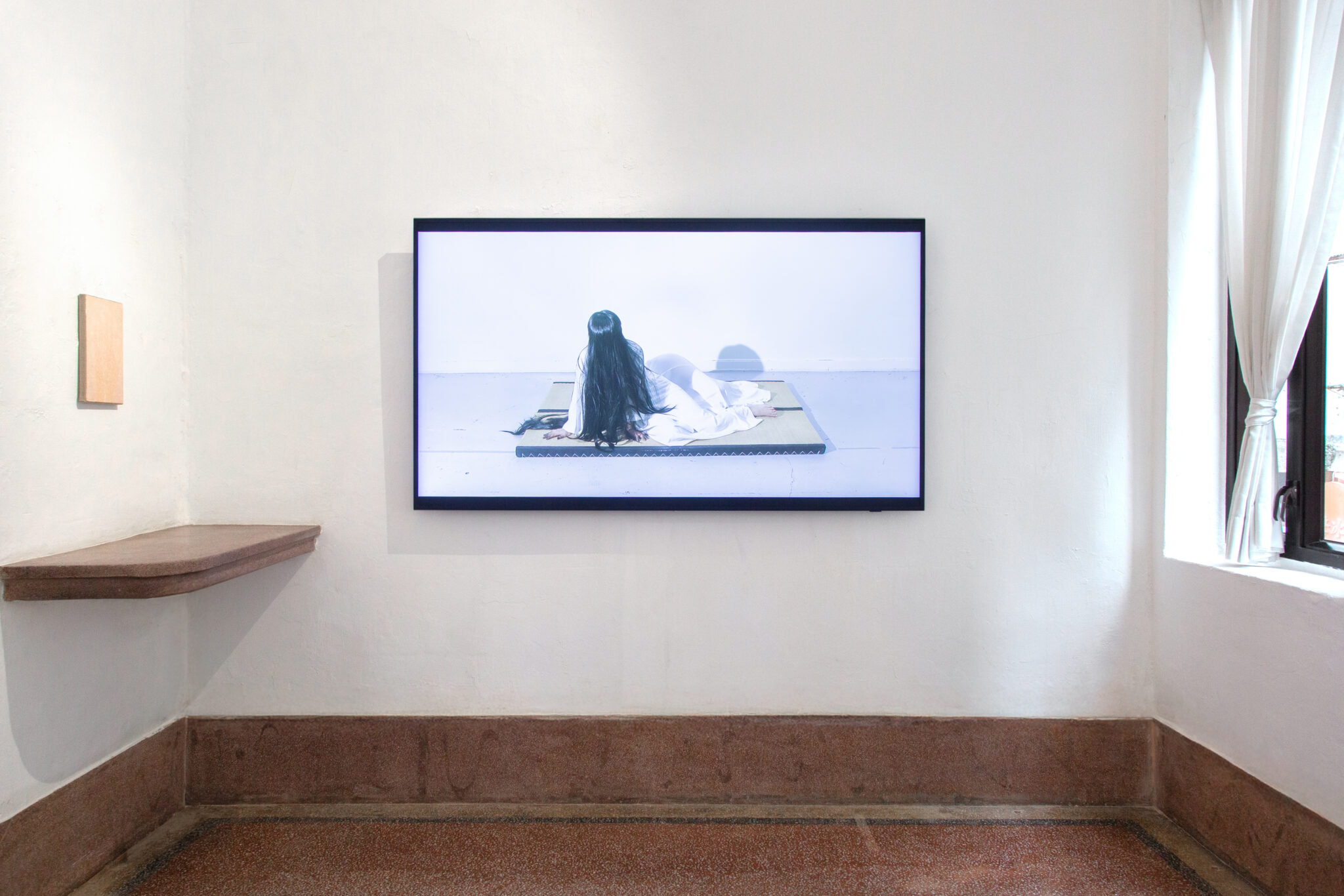
Oslo and Hong Kong-based artist Bobby Yu Shuk Pui's video work explores the fragile intersections between body, memory, and cultural translation, investigates how trauma and intergenerational silences seep into our language, gestures, and ways of being observed. Particularly drawing attention to "transitional spaces"— thresholds between languages and identities, health and illness, the living and the spectral — spaces marked by rupture as well as potential repair. While tackling heavy themes, her work employs humour to find moments of transformation and reconnection through subtle sensory gestures.
New York-based artist Wang Xingyun's paintings are driven by process, layering pigmented glue and delicate sheets of paper onto heavy watercolor paper to create richly textured surfaces. Her works invite tactile engagement through visual means—breaking, fusing, hardening, and flowing—where the material properties interlace like tissues of thought, revealing traces of the subconscious. Wang believes, "Because it's imaginative; it's not necessarily my own body; it could be that of a lover, or even a collective body. Ultimately, it's a freer exploration of inner emotions and perceptions." These layered landscapes evoke turbulence, fragility, and resilience, compelling viewers to reflect on the psychological and emotional states embedded in her large-scale fictional terrains.
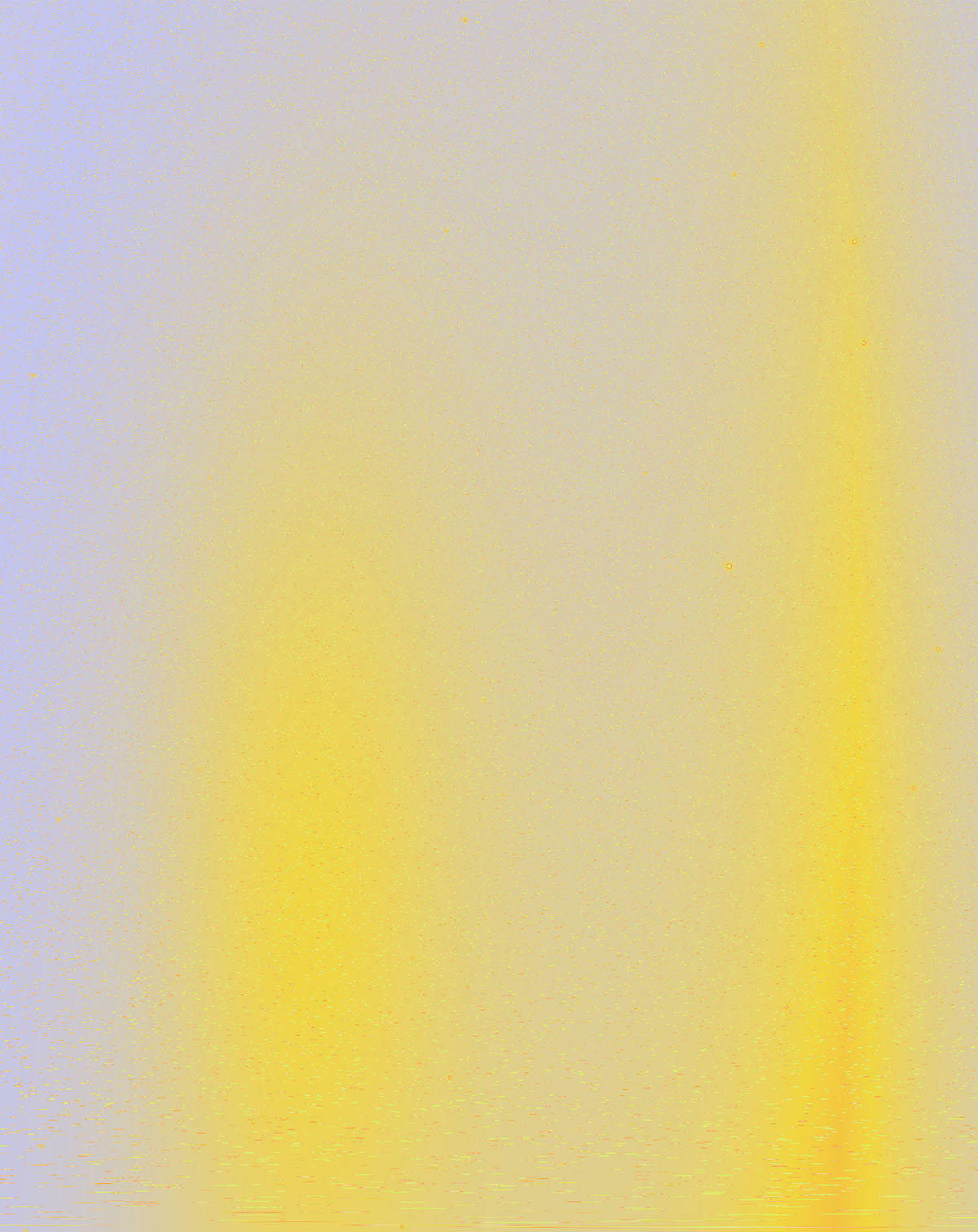
Shanghai-based artist Shi Zheng's work Nimbus [2027lux] (2015), employs noise algorithms to architect virtual clouds. At this moment of rapid development in AI and machine learning, the artist previously posited that screen light serves as a quantified metaphor for physical illumination, transforming the virtual into reality and creating images that subvert traditional definitions of "photography." The work resembles a visual record captured by a virtual camera, bridging the gap between algorithmic abstraction and visual reality, ultimately revealing a landscape co-inhibited by human vision and machine processing.
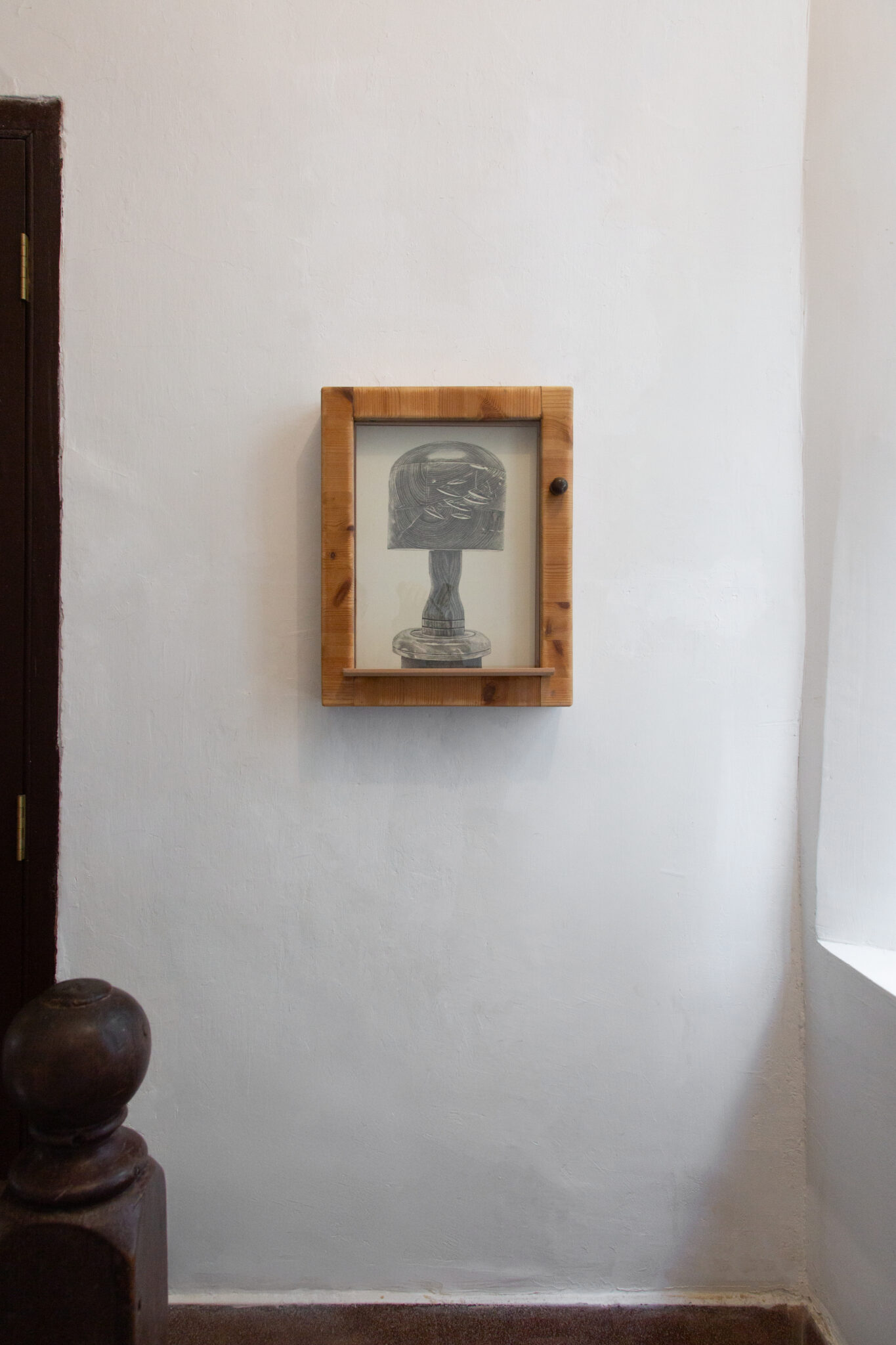
Hong Kong-based artist Tang Kwong San often focuses on "the passage of time" and "traces of existence”. The graphite drawing on paper Flowers Are Not Flowers (2022), is titled after the ancient poem of Tang dynasty poet Bai Juyi—"Flowers are not flowers, mist is not mist"—reflecting on the ephemeral births, declines, and deaths of life within the cosmic river, akin to dreams and illusions. The once-worn flower-patterned coat, and whose beloved transformed into a white blossom, has already wilted, scattered, and returned to dust before the artist captures it. Every experience in the world will dissociate; the universe ultimately returns to "nothingness." If we regard dissociation as one of the processes of experience, might the space liberated by dissociation resonate within us, guiding us closer to the essence of existence?
THE SHOPHOUSE欣然呈獻群展「解離之家」(House of Dissociation),結合11位藝術家,鄭秋榕、克⾥斯·吴、李爍、Lassi Kontiainen、施政、鄧廣燊、大槻拓矢、陶斯褀、王行雲、余淑培,及野沢裕,聯缺展出一系列布面及紙本繪畫、錄像、雕塑、場域特定裝置等多媒介作品,遍佈整棟畫廊空間。展覽於3月21日開幕,展期至5月10日。
「解離之家」試圖表達身份作為一種可滲透的建築,其中記憶、情感與感知的房間相互漂離,又以意想不到的形態重組。展覽邀請觀者遊走、棲居,或沈浸於自我與世界的碎裂層面間,在「聚合」與「消散」之間的回響中找到共鳴。在這裏,碎裂並非缺陷,而是一種生成原則:熟悉之物——一件衣物、一種聲音、一個畫面——可以變得陌生。在分崩離析的世代裡,我們經歷解散、凝視崩塌。此後,或望意義得以被重新發現,不在於僵化的穩固,而在於一種流動的、持續適應的節奏中。
展覽以駐香港藝術家鄭秋榕的互動式場域特定裝置,《物與物之間 》(2026),一種遺跡般的經驗,開啓展覽有關人與物、與空間連結的對話。八件金屬箱體,源於藝術家早前的作品《A Thing is a Hole in a Thing it is Not》(2025),一件曾設置於英國皇軍俱樂部防空洞中的聲音雕塑裝置中抽取出來。金屬箱體吸收了來自防空洞的潮濕空氣、人類互動痕跡、陽光與聲音震動,此刻,箱體猶如生命體一般,在畫廊空間中自然地呼吸著。作品呼應哲學家加斯東·巴舍拉(Gaston Bachelard)在《空間詩學》中提出物件的詩性存在:「我們詩意地建構家屋,家屋也靈性地建構我們」。即使物件失去原有的周遭,曾經與空間相互構成的痕跡卻仍保留並持續生長,它們本「被放置」,現在卻「自行棲居」於另一空間中。藝術家把箱體重新設置,並非重新賦予物件意義,反倒折射:一旦人離開,物件與空間卻回歸它們的原始的迴盪,一種無需命名、無需解釋且永恆的詩意存在。
駐靜岡藝術家野沢裕的布面作品橫跨繪畫、攝影與影像等多種媒介,透過反覆把玩畫布這一核心意象,巧妙地轉化日常空間,構築出獨特而詼諧的景觀。在《CANVAS CANVAS》系列中,藝術家將畫布本身作為創作主題,他於畫布上描繪畫布本身,隨後將畫作置於相同位置,成為攝影的對象,透過繪畫與攝影兩種影像創作媒介,創造出雙重的「靜物」意象。作品中繪畫與攝影的場所,轉化為穿越時空的媒介,觀者不由自主地來回徘徊其中,熟悉之物在虛、實之間擺盪漂浮並渙發新奇,悄然改變觀者對日常的感知。
駐芬蘭藝術家Lassi Kontiainen與駐京都藝術家大槻拓矢同樣以繪畫為媒介,透過其獨具當代特色的繪畫語言,呈現出抽取自經驗與回憶的奇異轉化。Lassi以薄塗油彩與透明釉料層層相疊,使原始構圖在創作過程中逐漸消融,從而強化了畫作本身的能動性。其視覺語言彷彿使畫作自內而外散發光環,令人意往神馳於抽象與自身回憶湧動的氛圍當中。大槻拓矢的創作奠基於傳統日本畫技法,擅長運用礦物顏料,畫中常見細微而難以言喻的圖案,猶如日常窺見的轉瞬之形,懸浮於扁平化且結構精妙的繪畫空間中。畫面質感同時令人聯想起刺繡,猶如夢中某個強烈而質感異化的刺點,叫喚著經驗中舉足輕重的細節與情感。
駐紐約與波特蘭藝術家克⾥斯·吴則從人與物質本源的角度切入解離與重組的循環。布面油畫《眠》(2025)取材自伯納迪諾·盧伊尼(Bernardino Luini)《聖母懷抱沉睡的聖嬰,伴以聖約翰與兩位天使》(The Virgin holding the Sleeping Child, with St John and Two Angels)(約1525–1530)中的一個局部。古董相框中心的綠色絲絨襯墊上,深邃的青綠間浮現出一對母子的沉靜面容。畫中母子被金框環繞,金是光之礦石、地之結晶,象徵著啟蒙、完美與不朽。正如金子是在大地子宮中完成物質嬗變的結晶,沉睡的孩子夢到了生命的循環,在這無形的境域中顯化出孕育與生髮的潛能。
生命從能量轉化至物質,載入軀殼之中,我們感受生而為人,在肉身呼吸之間那些永恆而片刻的經驗。駐上海藝術家陶斯祺及駐洛杉磯及香港藝術家李爍的作品同樣以身體與肉體為創作載體。陶斯祺的布面油畫以強烈而灼熱色彩、細膩筆觸與特寫視角來研究由肉體而生的各種慾望,引發一種挑釁性的觀看體驗,張力在美麗與毀滅、溫柔與暴力、誘惑與禁忌之間此起彼落,觸發人類情感中,搖擺於快樂與痛苦之間的細微感受。李爍的雕塑裝置,《You’ll Get Used to It》(2025),呈現人類集體存在的慣常動作——交疊而坐的雙腿。作品以藝術家自身軀體為載體,進而延伸至集體軀體,審視此概念對人類的苛求:為承受痛苦、保持沉默、在壓力下擴張而逐步疏離肉身,諷刺「韌性」這個模糊卻性感的詞彙。作品標題中的第二人稱代詞,消弭觀者與作品的距離,並直接向觀者說話:我們都是如此的驕傲地忍耐著,渾然不知所謂的舒適早已轉為忍耐,續漸耗竭我們的身心。
駐奧斯陸與香港藝術家余淑培的影像作品探索身體、記憶與文化翻譯之間的脆弱交界,關注創傷與代際沉默如何滲入我們的語言、動作與被觀看的方式。尤其著眼於「過渡性空間」——語言與身份、健康與疾病、生者與幽靈之間的臨界狀態,這些既是斷裂,也是可能修復的可能性。其作品觸及沉重主題,卻以幽默的方式,於小而微的感官行動中,找到轉化的契機並重新連結。
駐紐約藝術家王行雲的繪畫作品由過程主導,透過染色膠漿與纖薄紙張層層疊加於厚重水彩紙上,形成豐富的質感表面。其作品透過視覺媒介引領觸覺的參與——破碎、熔融、凝固、流動——材質特性如思想組織般交織纏繞,又透露著潛意識的痕跡。王行雲認為:「因為這是想像的產物;它未必是我的身體;可能是愛人的身體,甚至是一種集體身體。最終,這是一種更自由地探索內在情感與感知的方式。」這些層疊的景觀喚起湍流、脆弱與韌性,迫使觀者反思隱藏於大型虛構地貌中的心理與情感狀態。
駐上海藝術家施政的作品《Nimbus [2027lux]》(2015),運用噪聲演算法構築虛擬雲層。此刻,人工智能與機械學習高速發展,藝術家早於科技主導社會前便已提出,將螢幕光線視為物理照明的量化隱喻,將虛擬轉化為現實,創造出顛覆傳統「攝影」定義的影像。作品如同虛擬相機捕捉的視覺紀錄, 在演算法抽象與視覺現實間架起橋樑,最終揭示出由人類視覺與機器運算共同抑制的景觀。
駐香港藝術家鄧廣燊的創作常聚焦於「時間的流逝」與「存在的痕跡」。紙本石墨素描《花非花》(2022),以唐代詩人白居易的古詩點題——「花非花,霧非霧」——在宇宙的長河裡,生命的誕生、衰敗、殆盡不過剎那之間,如夢幻泡影。碎花外套曾經被誰穿起,誰人的誰人轉化為白花,白花在被藝術家描繪之先,也早已凋零、散落,回歸塵土之中。世界的一切經驗都將解離,宇宙也終究回歸「無」。倘若我們視解離為經驗的過程之一,那麼解離之後被騰出的空間,可會有回音迴盪於我們之內,引領我們接近存在的本意?


