

Forms Follow Failure
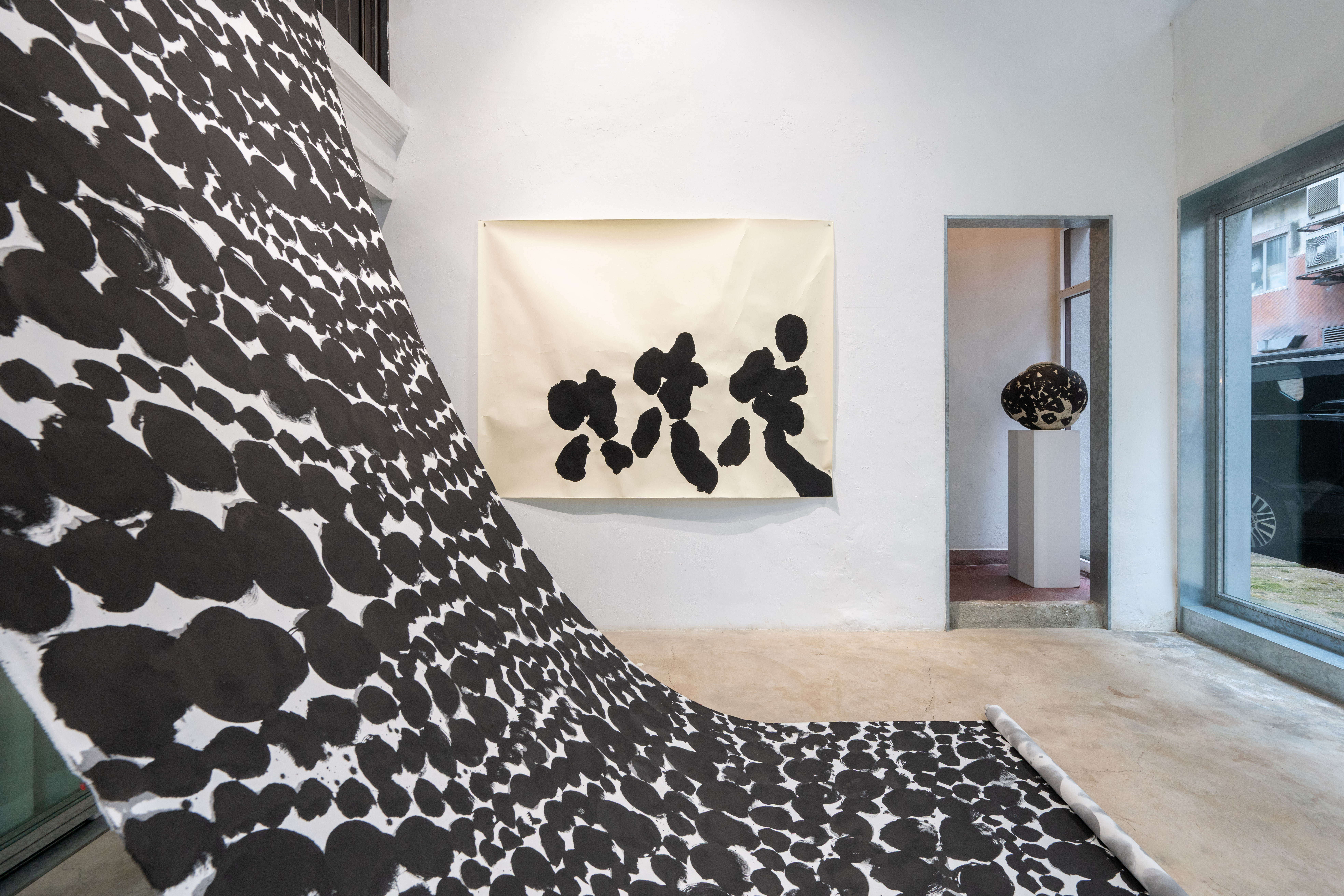
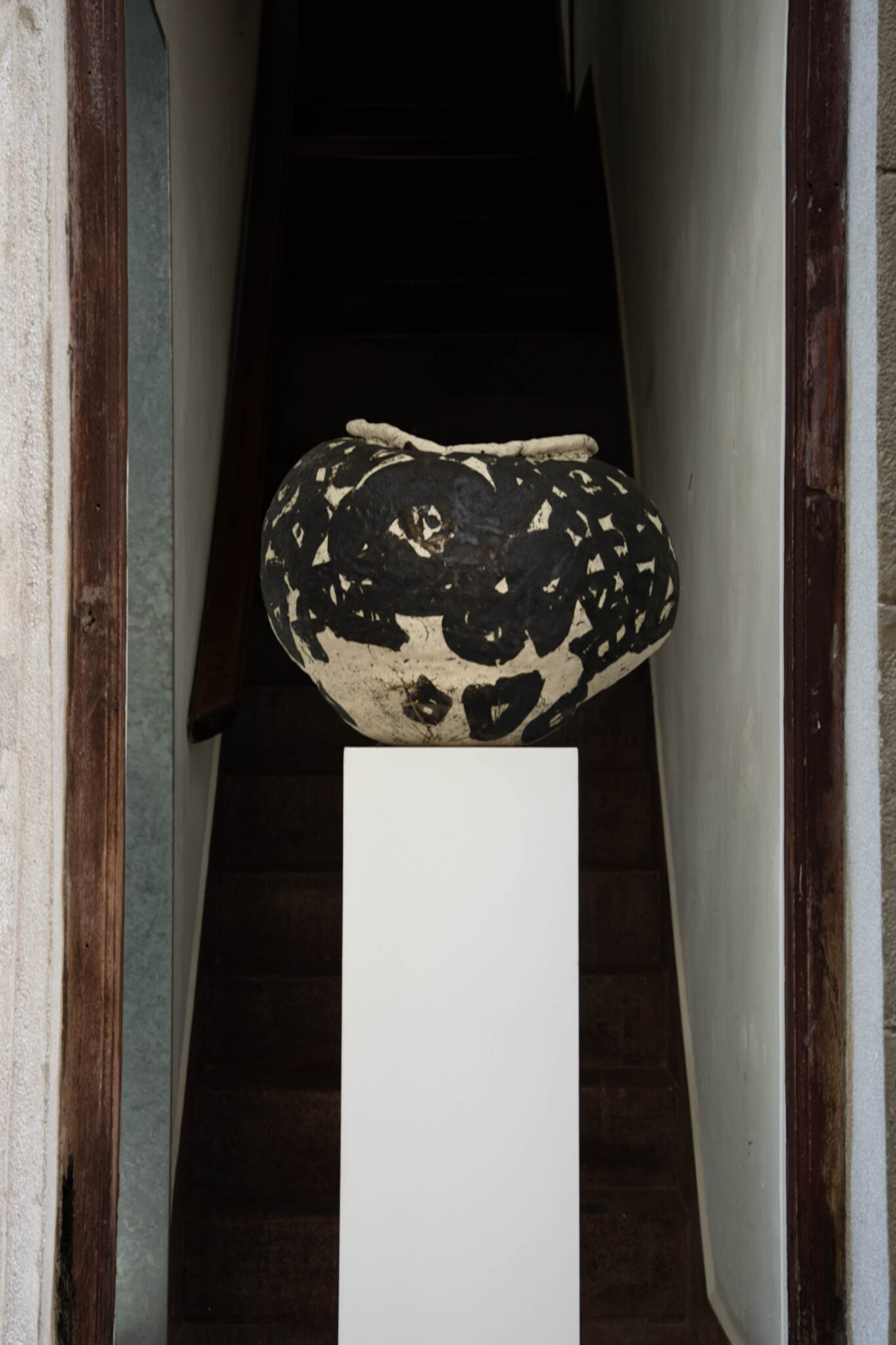
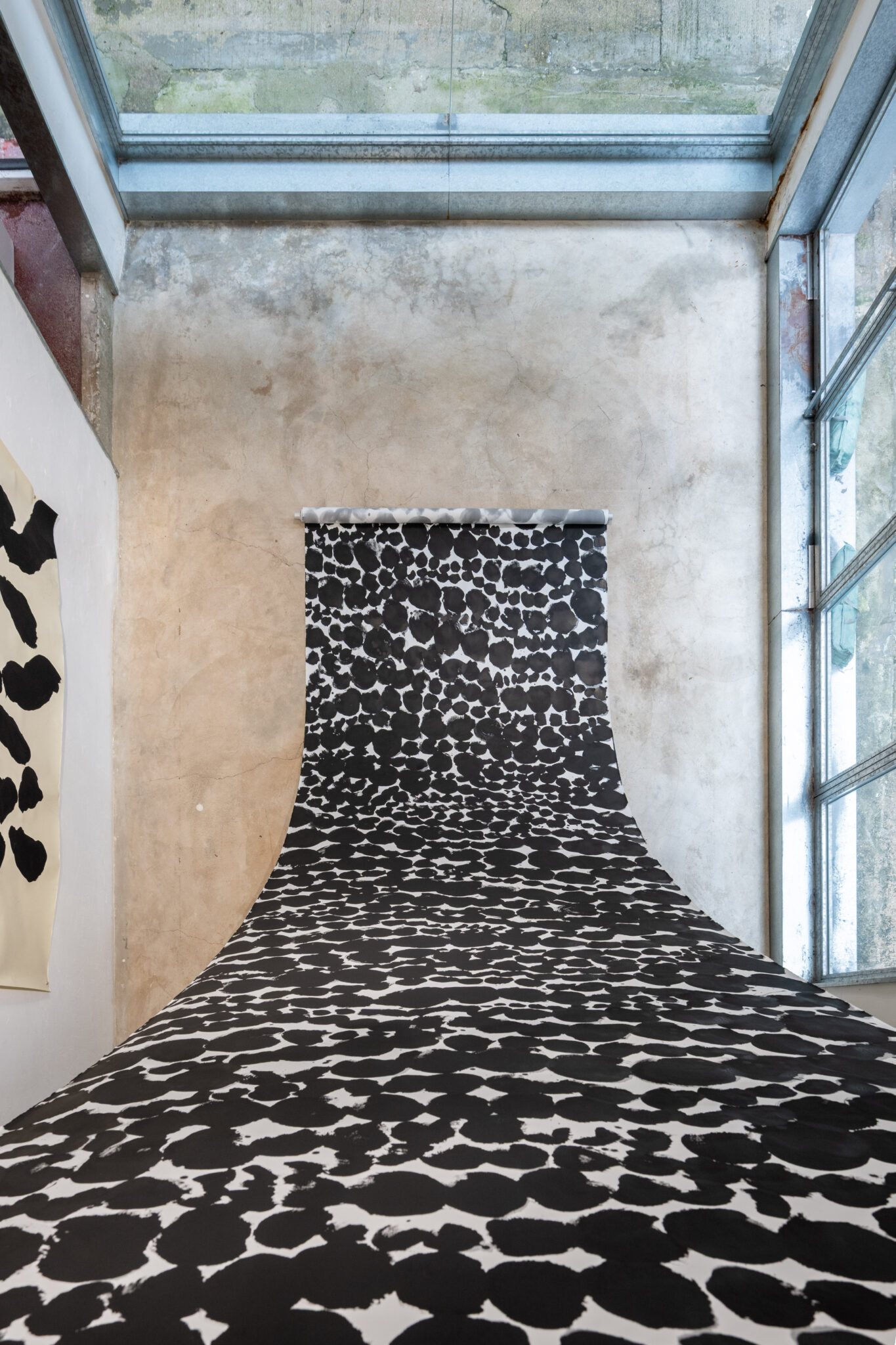
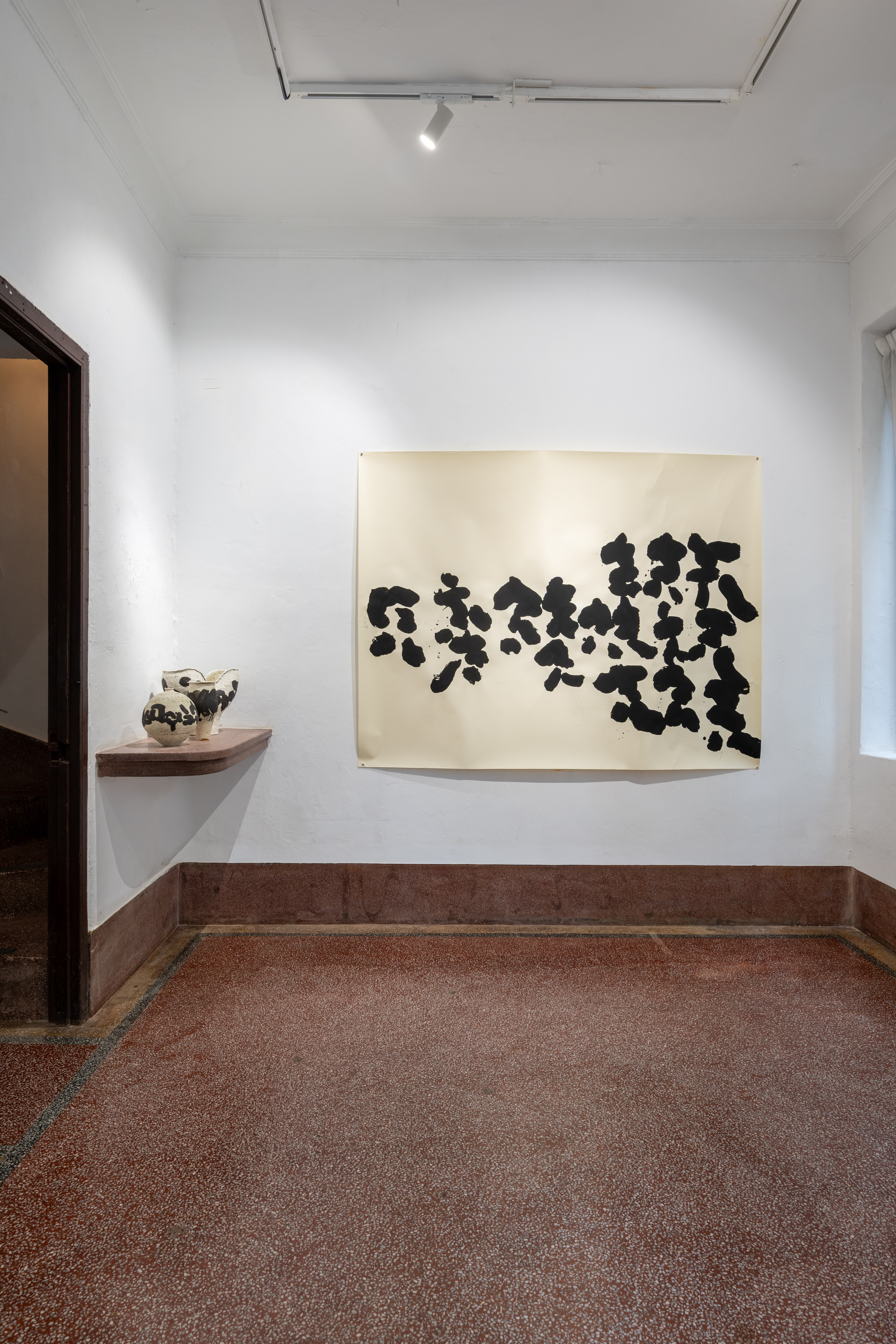
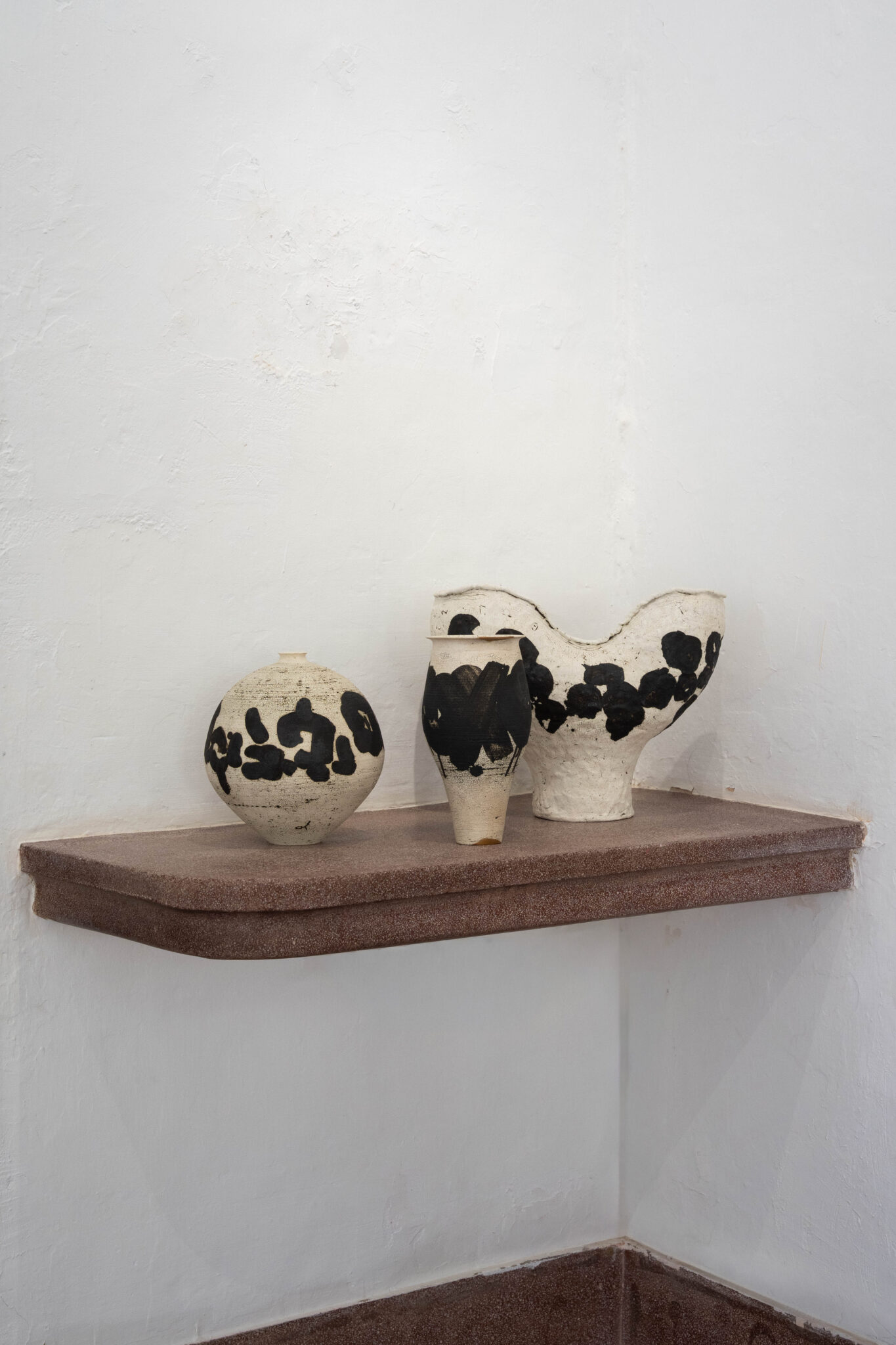
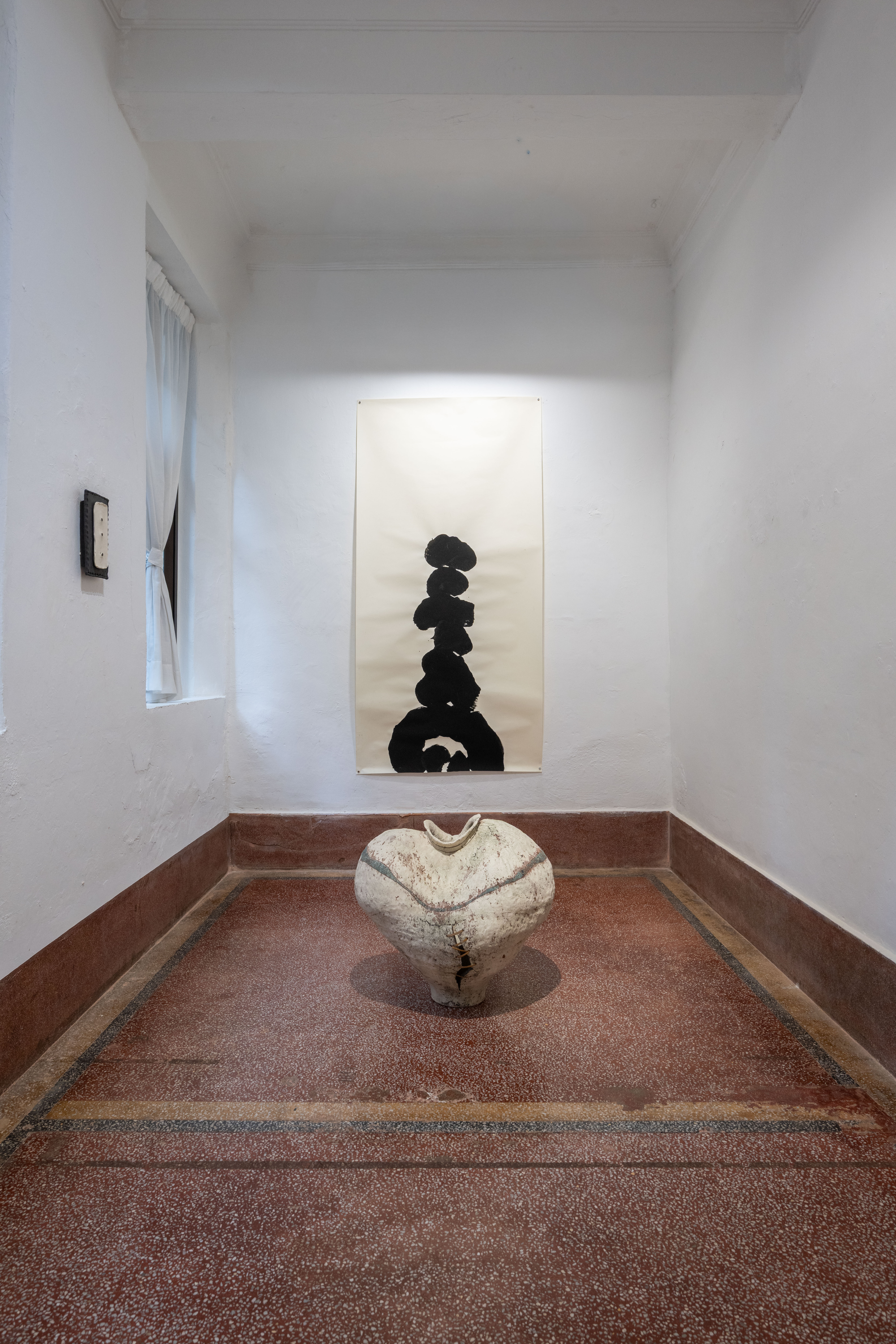
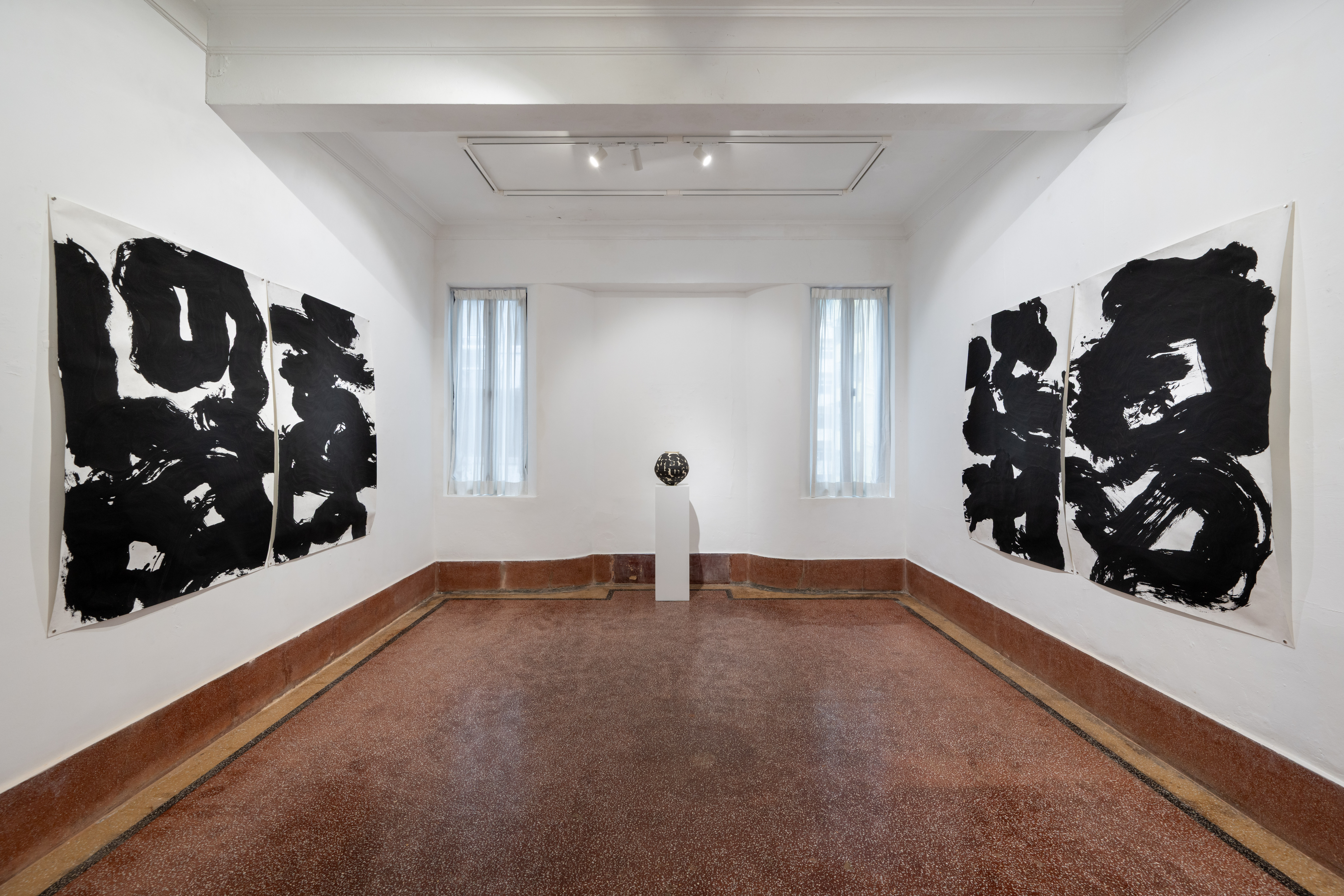
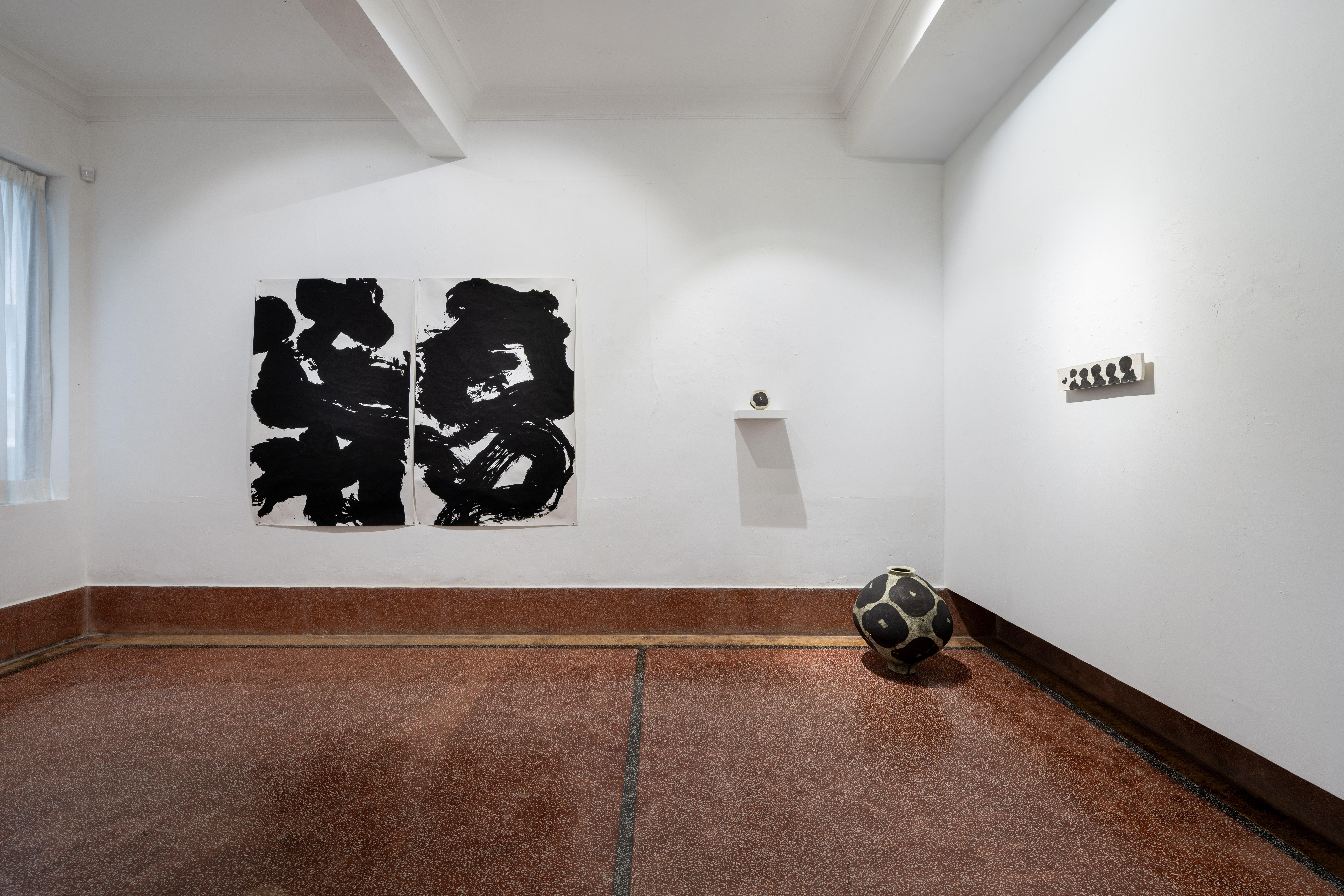
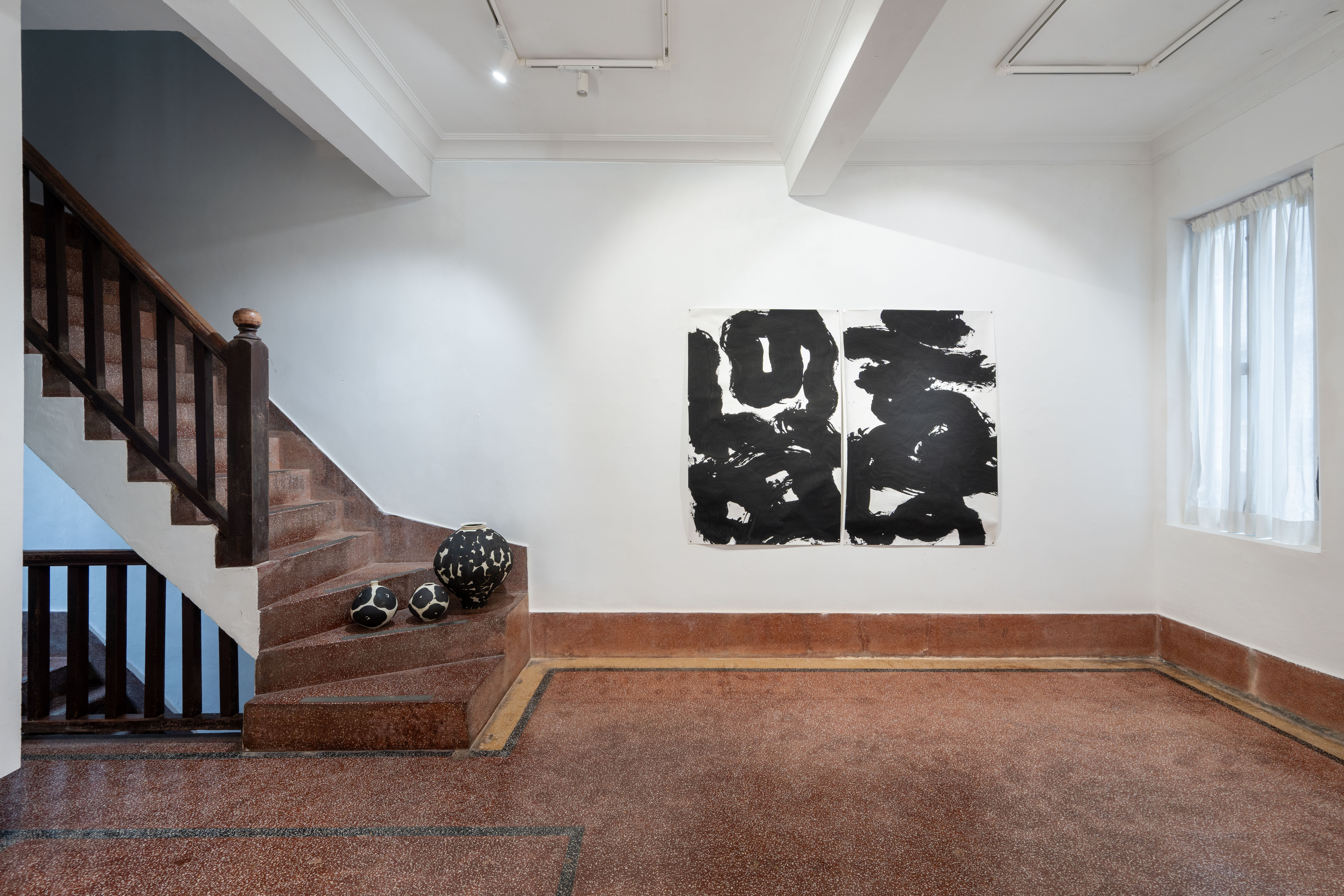
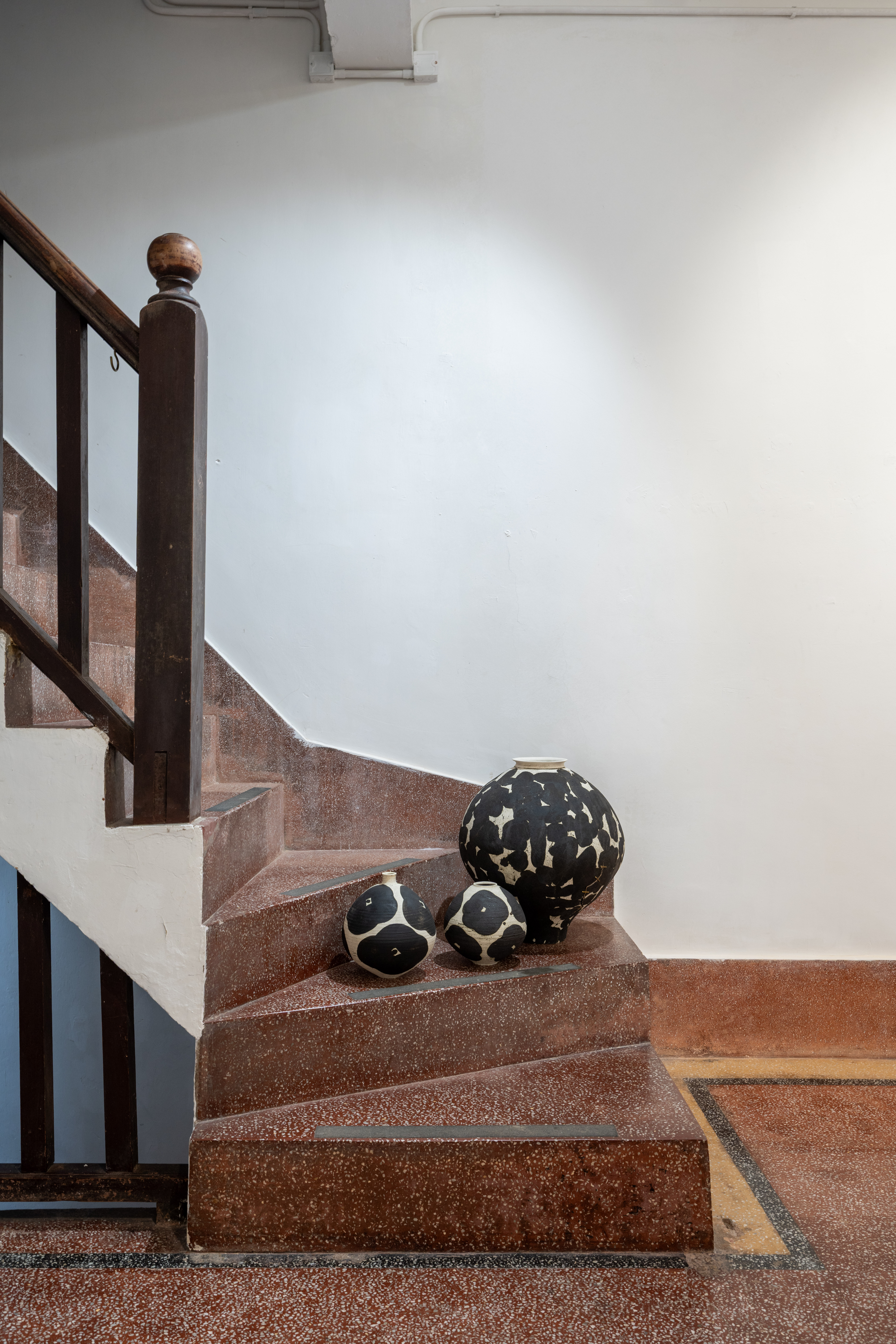


THE SHOPHOUSE is pleased to present Form Follows Failure, a new body of ceramic works by Kansai Noguchi.
In ceramics, perfection is often the pursuit: controlled firing, balanced proportion, immaculate glaze. Works that warp, crack, or
fracture are typically discarded. The broken piece is rarely considered complete.
Kansai Noguchi approaches this expectation from the opposite direction.
“I have kept only the pieces that broke in an interesting way,” he writes.
Creating something new inevitably involves risk. These works hold the imprint of attempts, experiments, and challenges. Failure, in Noguchi’s ceramic practice, becomes a process of making.
Several key works in the exhibition are visibly repaired with gold nails, referencing the traditional use of kasugai. These repaired pieces are rare because they cannot be planned. Yet. not every break is meaningful. Only those in which fracture introduces tension, rhythm, or a shift in structure are preserved. Chance initiates rupture before intention determines its survival.
Beyond repair, the exhibition also marks a series of new formal explorations. A group of lime-glaze chawans introduces a surface and tonality not previously central to Noguchi’s practice. Their presence reflects a willingness to move beyond established aesthetics, allowing material and glaze to behave with greater unpredictability.
Ceramic panels further extend this experimentation. Hovering between object and image, vessel and relief, they challenge the boundaries of function and display. These works suggest a gentle expansion of the artist’s vocabulary—testing scale, structure, and presentation in ways that depart from earlier forms.
“They reveal the fascinating relationship between chance and intention,” Noguchi writes. “Through restoration, another layer of intervention is added, creating new meanings and unexpected beauty.”
Whether through fracture, glaze, or form, each work embodies a negotiation between control and surrender. Smooth surfaces meet instability. Balanced silhouettes encounter resistance. The contrast between beauty and imperfection allows each to stand out more clearly. Nothing is unnecessary; every crack, flaw, variation, and risk holds its place within the work.
For Kansai, failure is not defeat—it is the form.


